
Description
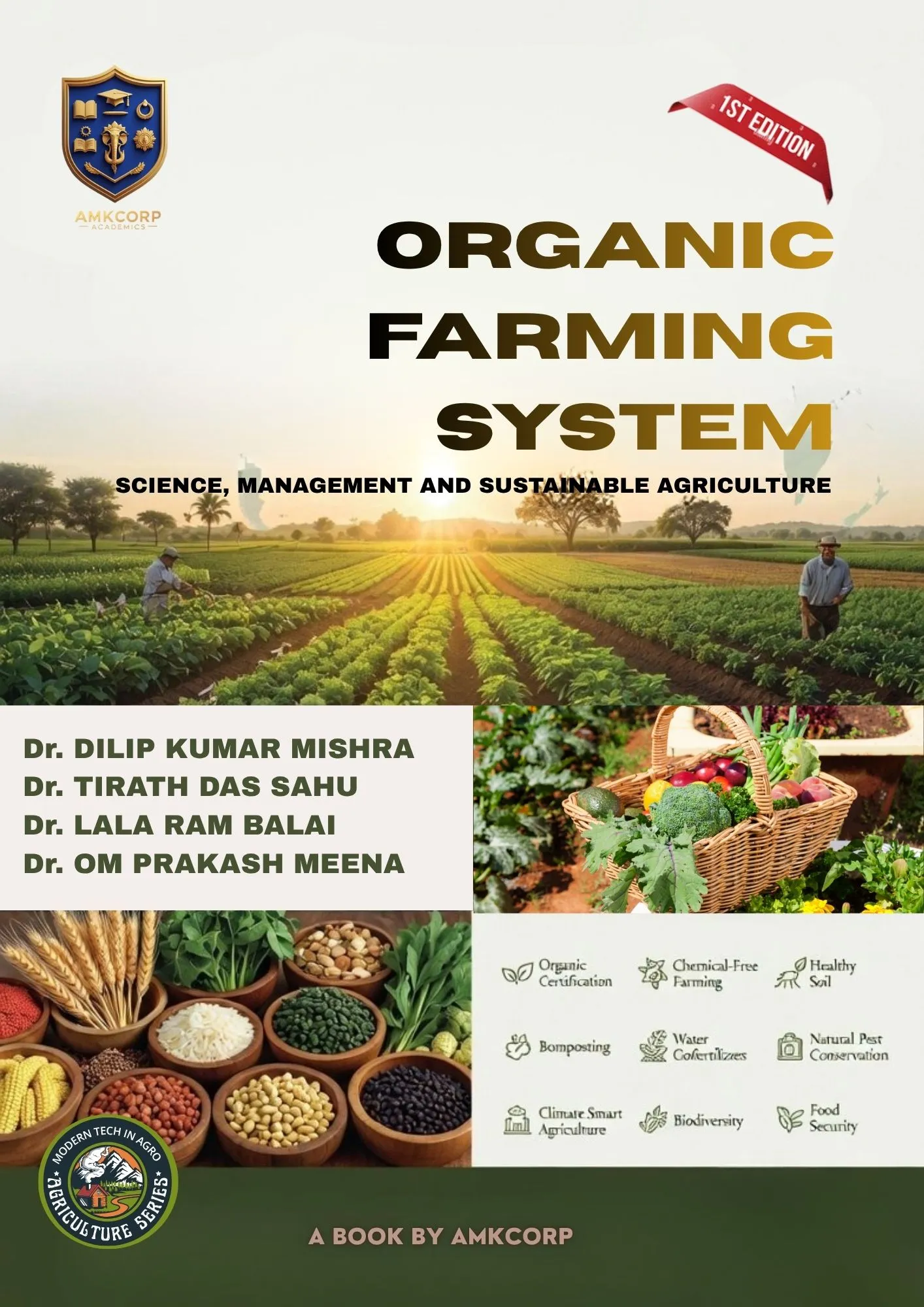
Ogranic Farming System: Science, Management and Sustainable Agriculture is a comprehensive academic resource that presents the scientific principles, practical approaches, and modern developments shaping organic agriculture across the world. Designed for undergraduate and postgraduate students, researchers, extension professionals, policymakers, and progressive farmers, the book provides a balanced understanding of ecological farming systems while addressing the growing need for sustainable food production. As concerns over environmental degradation, declining soil fertility, biodiversity loss, and food safety continue to rise, organic farming has become a globally recognized approach for achieving resilient and climate-smart agriculture. This book explains the fundamental concepts of organic farming in a clear and systematic manner, enabling readers to understand both the philosophy and practical implementation of organic production systems. Beginning with the historical evolution, guiding principles, and global status of organic agriculture, the book explores the importance of maintaining healthy soils through organic nutrient management, composting, green manuring, biofertilizers, and efficient nutrient cycling. It further discusses sustainable crop production practices including crop rotation, intercropping, weed management, irrigation, and quality seed management. Special emphasis is given to eco-friendly pest and disease management strategies using biological control agents, botanical extracts, and integrated approaches that minimize environmental impact while maintaining crop productivity. The book also covers organic horticulture, diversified farming systems, livestock integration, farm waste recycling, and resource conservation practices that contribute to long-term agricultural sustainability. Recognizing the importance of quality assurance and consumer confidence, dedicated chapters explain national and international organic certification systems, labeling standards, and participatory guarantee frameworks. Readers are also introduced to the economic aspects of organic agriculture, including value addition, marketing channels, export opportunities, entrepreneurship, and government support schemes. The book highlights the crucial role of agricultural extension, digital technologies, farmer training, and knowledge dissemination in accelerating the adoption of organic farming practices. Real-world examples, practical insights, and emerging innovations provide a strong connection between scientific knowledge and field application. The concluding chapters examine the future of organic agriculture in the context of climate change, precision farming technologies, urban agriculture, Sustainable Development Goals, and ongoing research priorities. Written in a reader-friendly style with updated concepts and logical organization, this book serves as an excellent learning resource for academic institutions and a practical reference for professionals working in sustainable agriculture. By integrating scientific evidence with practical management strategies, it promotes environmentally responsible farming, improved soil health, enhanced biodiversity, safer food production, and economically viable agricultural systems. Overall, this book aims to inspire a deeper understanding of organic agriculture and support the transition toward resilient, productive, and sustainable farming systems for present and future generations.


Reviews
There are no reviews yet.